

Not Just Ideas.
Science.
Creative Detonator isn't a random idea generator. It's an operational engine built on 70 years of advertising psychology and behavioral science.
Creative Detonator is a systematic methodology for generating breakthrough advertising ideas.
Built on 64 proven creative triggers organized into 15 psychological categories, it transforms chaotic brainstorming into a repeatable process. Each trigger activates a specific psychological mechanism—ensuring comprehensive coverage of creative territory.
HOW TO USE THIS PLATFORM
LEARN THE METHOD
Start with The Method section to learn tactics that get you in the mood for creating great ideas.
EXPLORE METHODEXPLORE TRIGGERS
Browse the 64 creative triggers organized by psychological category. Study examples and processes.
VIEW TRIGGERSDOWNLOAD & APPLY
Use the resources and worksheets below to run your own Detonation Sessions and generate breakthrough concepts.
SEE DOWNLOADSWHO THIS IS FOR
- Advertising creatives and copywriters
- Creative directors and strategists
- Marketing teams at brands
- Freelance creatives and consultants
- Students of advertising and communications
- Anyone needing to generate campaign concepts
DOWNLOADS
Print these resources to run your own Creative Detonator sessions
THE COMPLETE METHOD
All 3 steps in one printable guide: Detonation Chamber (7 rules), Detonation Sequence (6 phases), and Explosion Test (8 questions).
64 TRIGGER CARDS
Physical cards for each trigger. Cut them out, shuffle, draw random triggers during brainstorms.
EXPLOSION TEST
Printable scorecard to evaluate your ideas. Check each of the 8 criteria to know if your idea is ready.
BUILT ON GIANTS
70 years of proven research from four disciplines, distilled into one creative weapon. The scientific foundations powering each Creative Detonator category.
Pattern Interrupts
5 triggersThe brain pays attention when predictions fail. Pattern interrupts exploit prediction error—the neural signal that fires when reality doesn't match expectation.
- Prediction Error Theory
- Schema Incongruity (Mandler, 1982)
- SCAMPER "Magnify/Reverse"
Emotional Detonators
6 triggersEmotion is the express lane to memory. Emotional responses bypass rational filters and create visceral responses that stick.
- Emotion-Memory Link (McGaugh, 2000)
- Fear Appeal Research (Witte, 1992)
- Nostalgia Marketing
Cognitive Games
6 triggersThe brain loves to solve puzzles. These triggers turn passive viewers into active participants by presenting gaps the mind feels compelled to resolve.
- Information Gap Theory (Loewenstein, 1994)
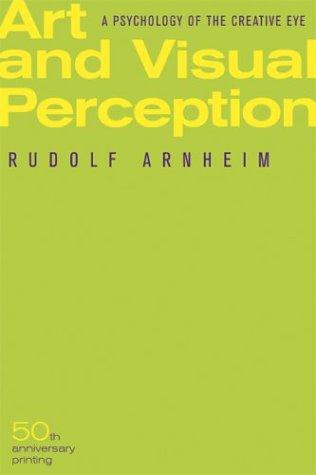
- Gestalt Closure (Arnheim, 1954)
- Processing Fluency
Participation Generators
4 triggersAction creates ownership. When people DO something, they invest themselves in the experience.
- Endowment Effect (Kahneman, 1990)
- IKEA Effect (Norton et al., 2012)
- Howard Gossage (1960s)
Story Engines
5 triggersHumans are narrative animals. We understand the world through stories. Narrative transportation carries the message.
- Narrative Transportation (Green & Brock, 2000)
- Zeigarnik Effect (1927)
- Hero's Journey (Campbell, 1949)
Symbol Systems
4 triggersSymbols carry centuries of meaning in a single glance. Tap into pre-existing visual languages and cultural codes.
- Semiotics (Saussure, Peirce)
- Cultural Codes (Barthes, 1957)
- Visual Rhetoric
Media Manipulation
4 triggersMcLuhan was right—the medium IS the message. Make the format part of the communication.
- Medium Theory (McLuhan, 1964)
- Ambient Advertising
- Guerrilla Marketing (Levinson, 1984)
Transgression Tactics
3 triggersBreaking rules creates attention—but also risk. Controlled violation of norms, handled with care.
- Shock Advertising (Dahl et al., 2003)
- Pratfall Effect (Aronson, 1966)
- Comparative Advertising
Sensory Translators
4 triggersThe brain doesn't fully distinguish between real and vividly imagined sensations. Make the visual become tactile, auditory, even olfactory.
VIEW TRIGGERS >Social Physics
4 triggersHumans are social animals operating in invisible force fields of status, belonging, and tribal identity.
- Scarcity Principle (Cialdini, 1984)
- Social Proof
- Conspicuous Consumption (Veblen, 1899)
Identity Provocations
3 triggersEvery purchase is an identity declaration. The deepest question isn't "What do I need?" but "Who am I?"
- Possible Selves (Markus & Nurius, 1986)
- Self-Discrepancy Theory (Higgins, 1987)
- Jungian Shadow
Tension Architecture
4 triggersTension is stored attention. Create psychological pressure, then position the product as the release valve.
VIEW TRIGGERS >Permission Engines
4 triggersMost desires don't need creation—they need permission. Provide the rationalization architecture.
- Moral Licensing (Khan & Dhar, 2006)
- Self-Licensing Effect
- Authority Principle (Cialdini)
Reality Ruptures
4 triggersAcknowledging artifice creates authenticity. The brand that admits it's selling earns trust that the pretender never will.
- Persuasion Knowledge Model (Friestad & Wright, 1994)
- Breaking the Fourth Wall
- Pratfall Effect (Aronson, 1966)
Momentum Mechanics
4 triggersPhysics metaphors are how the brain processes change. Movement creates urgency. Trajectory implies destination.
- Diffusion of Innovations (Rogers, 1962)
- Network Effects (Katz & Shapiro, 1985)
- Foot-in-the-Door
THE GOLDEN AGE
1950s-70s advertising legends whose methods power Creative Detonator
Leo Burnett
Leo Burnett Worldwide
"Inherent Drama"
"There is an inherent drama in every product. Our No. 1 job is to dig for it and capitalize on it."
Bill Bernbach
DDB (Doyle Dane Bernbach)
"Truth as Weapon"
"The truth isn't the truth until people believe you, and they can't believe you if they don't know what you're saying."

Howard Gossage
"Socrates of San Francisco"
"Interactive Advertising"
"Nobody reads ads. People read what interests them, and sometimes it's an ad."
Rosser Reeves
Ted Bates Agency
"Unique Selling Proposition"
"The consumer tends to remember just one thing from an advertisement—one strong claim, or one strong concept."
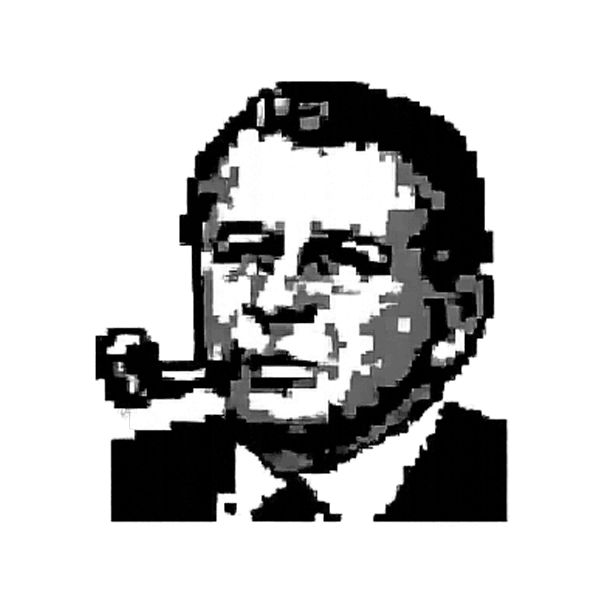
David Ogilvy
Ogilvy & Mather
"The Big Idea"
"If it doesn't sell, it isn't creative. Unless it makes the cash register ring, it's not good advertising."
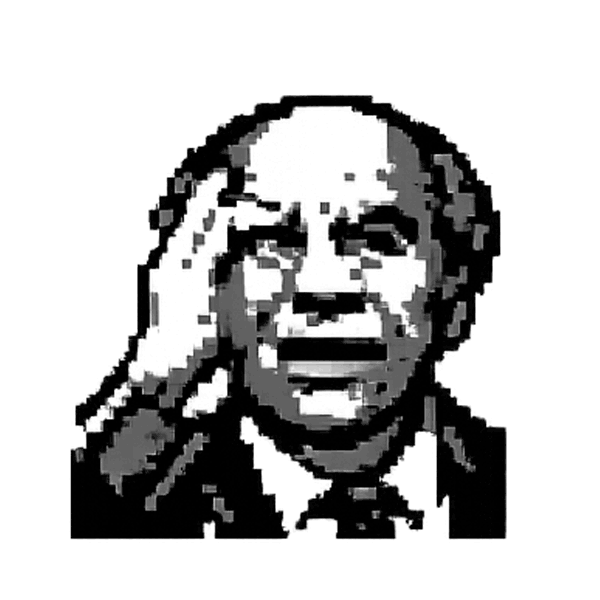
George Lois
PKL, Esquire Covers
"Cultural Provocation"
"Creativity can solve almost any problem. The creative act defeats habit by originality."

Mary Wells Lawrence
Wells Rich Greene
"Total Brand Experience"
"In this business you can never wash the dinner dishes and say they are done. You have to keep doing them constantly."

Helmut Krone
DDB Art Director
"Visual Revolution"
"I don't look for a new idea. I look for a new way of looking at things that makes an old idea new."
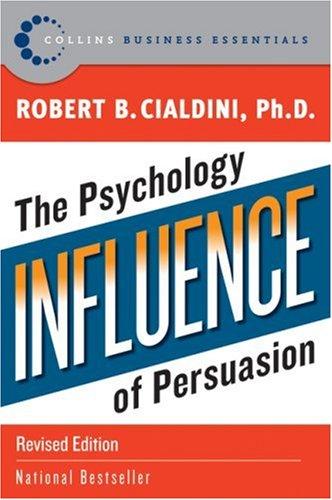
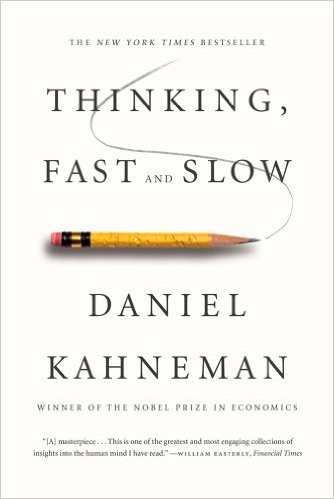
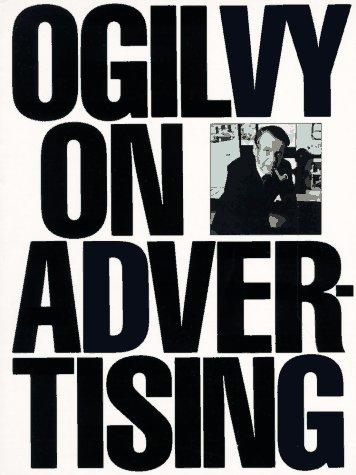
ESSENTIAL READING
The books that power Creative Detonator
PSYCHOLOGY
ADVERTISING
EXPLORE THE TRIGGERS
See the science in action. Browse all 64 evidence-based creative triggers.
